About The Petra
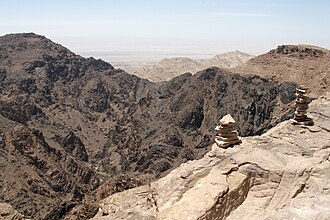
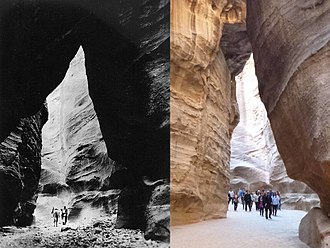
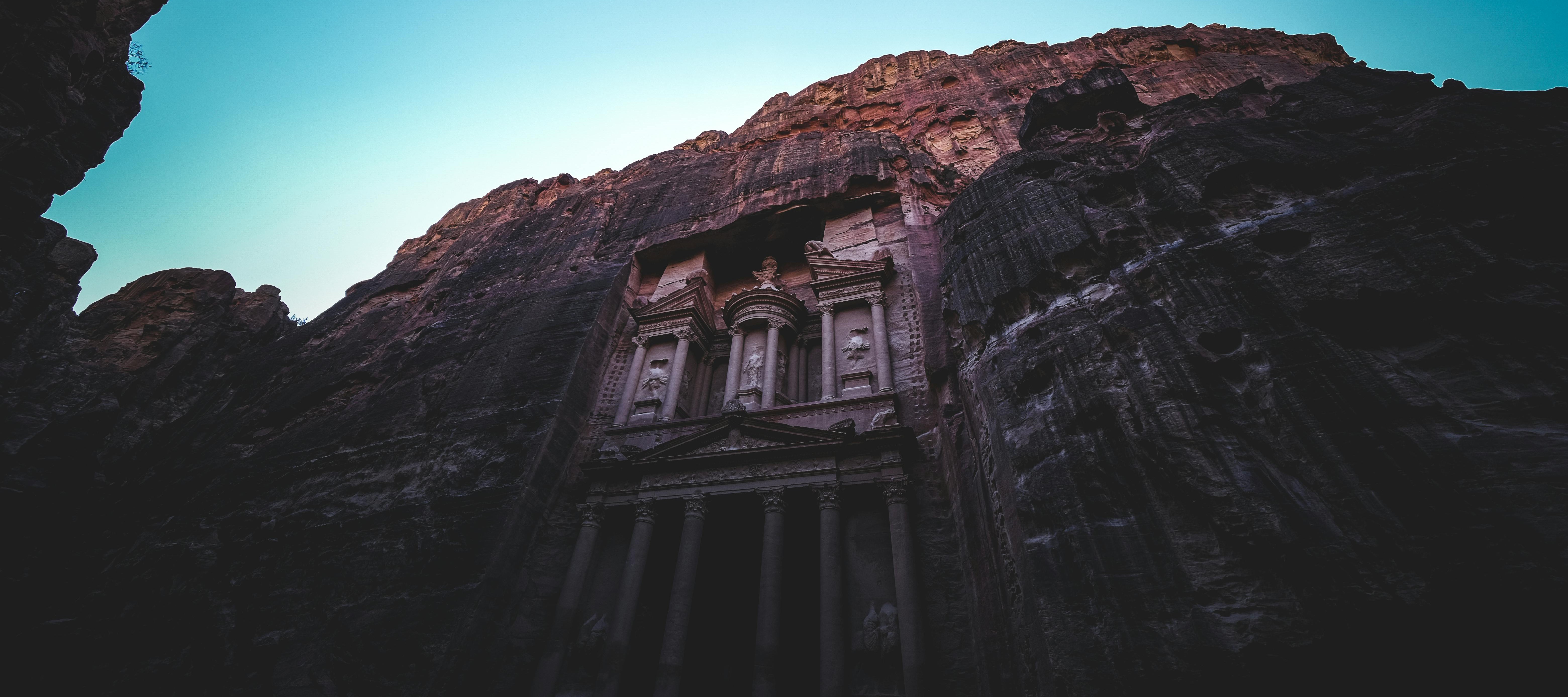
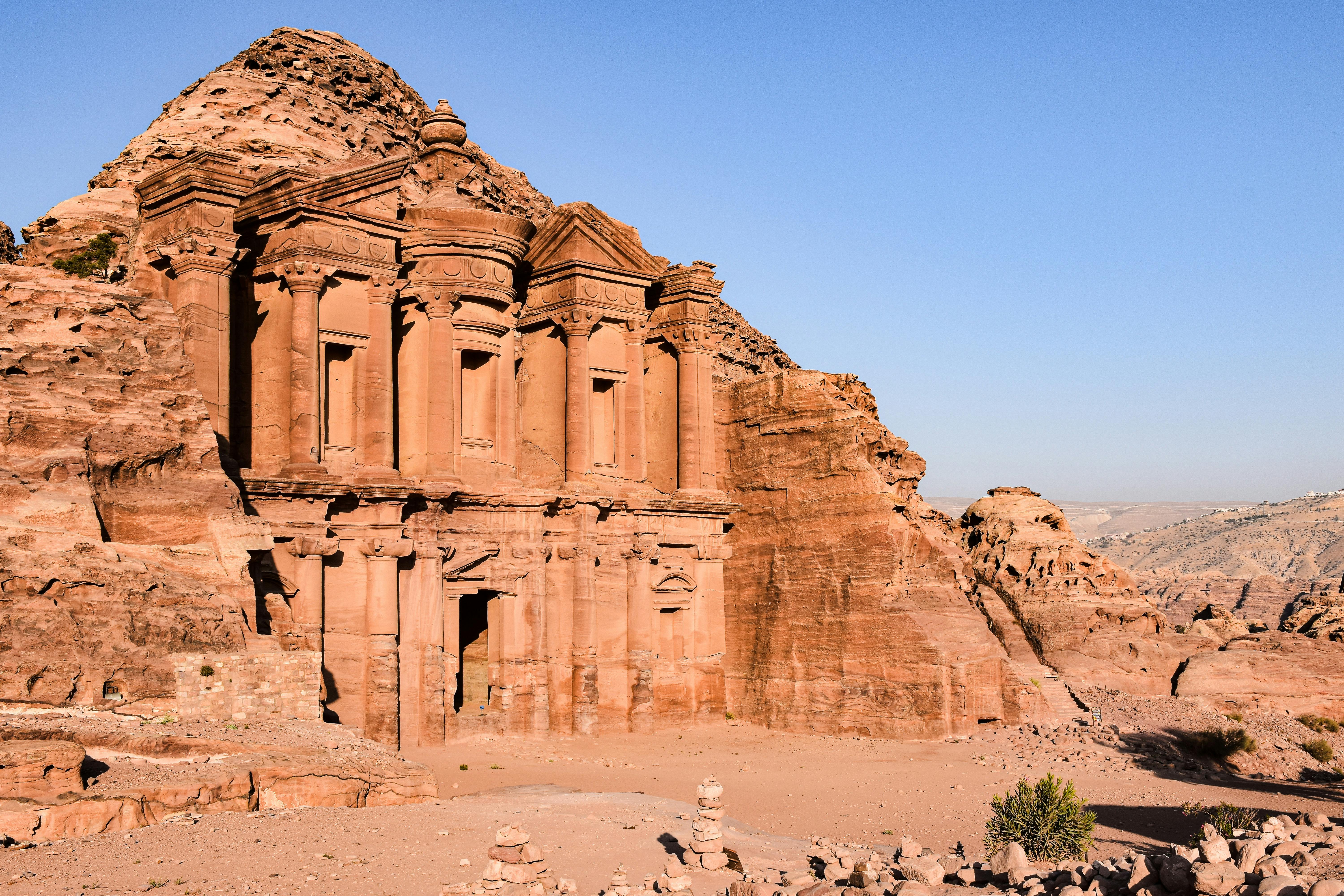
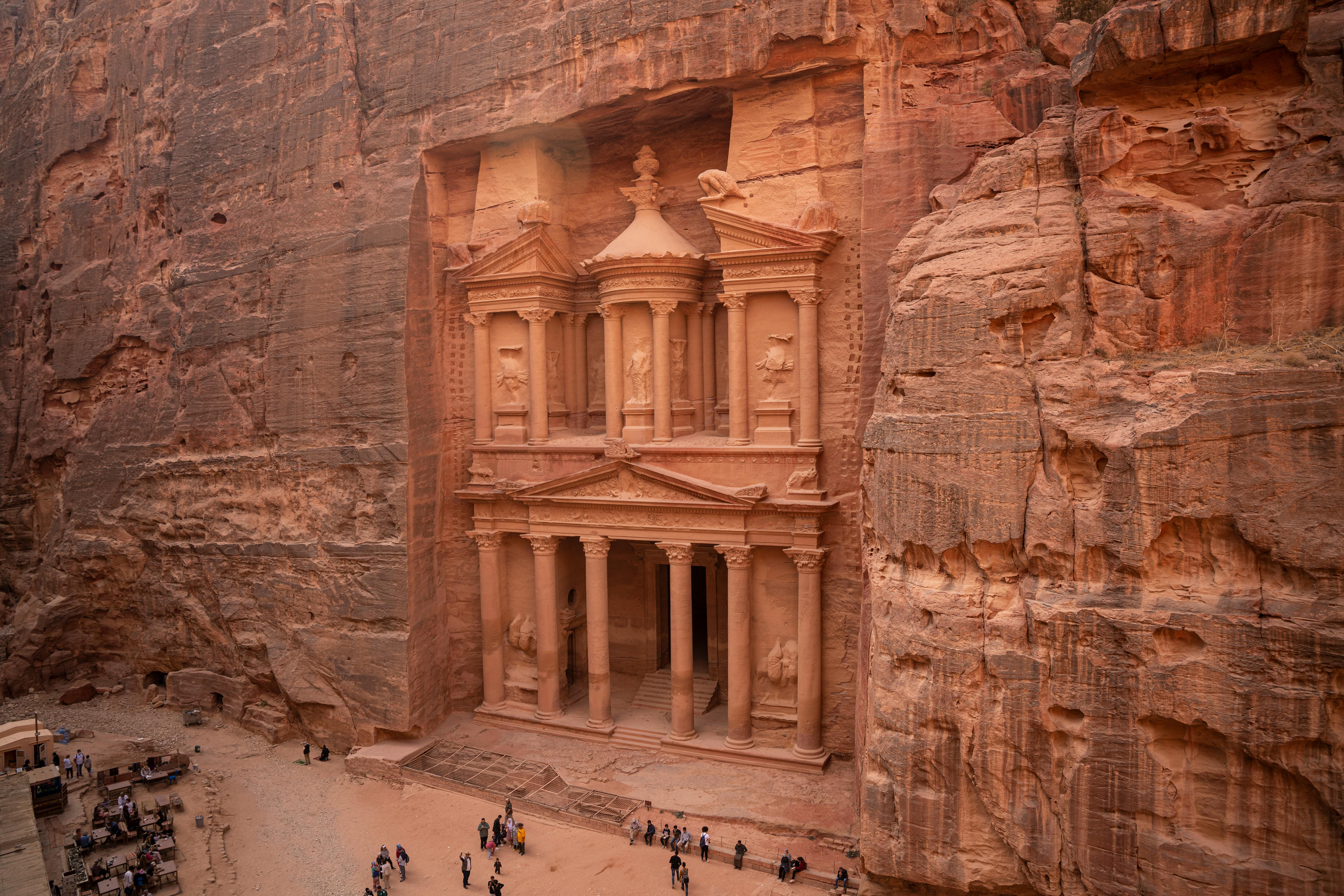
Petra, originally known to its inhabitants as Raqmu or Raqēmō, is a historic and archaeological city in southern Jordan. Famous for its rock-cut architecture and water conduit system, Petra is also called the "Rose City" because of the colour of the sandstone[5] from which it is carved;[6] it was famously called "a rose-red city half as old as time" in a poem of 1845 by John Burgon. It is adjacent to the mountain of Jabal Al-Madbah, in a basin surrounded by mountains forming the eastern flank of the Arabah valley running from the Dead Sea to the Gulf of Aqaba.[7] Access to the city is through a famously picturesque 1.2-kilometre-long (3⁄4 mi) gorge called the Siq, which leads directly to the Khazneh.
The area around Petra has been inhabited from as early as 7000 BC, and the Nabataeans might have settled in what would become the capital city of their kingdom as early as the 4th century BC. Archaeological work has only discovered evidence of Nabataean presence dating back to the second century BC, by which time Petra had become their capital. The Nabataeans were nomadic Arabs who invested in Petra's proximity to the incense trade routes by establishing it as a major regional trading hub.
The trading business gained the Nabataeans considerable revenue and Petra became the focus of their wealth. Unlike their enemies, the Nabataeans were accustomed to living in the barren deserts and were able to repel attacks by taking advantage of the area's mountainous terrain. They were particularly skillful in harvesting rainwater, agriculture, and stone carving. Petra flourished in the 1st century AD, when its Al-Khazneh structure, possibly the mausoleum of Nabataean king Aretas IV, was constructed, and its population peaked at an estimated 20,000 inhabitants.[12] They developed a complex system of cisterns, channels, and dams to collect and store rainwater, allowing them to thrive in the arid desert environment. Most of the famous rock-cut buildings, which are mainly tombs, date from this and the following period. Much less remains of the free-standing buildings of the city.
Neolithic
By 7000 BC, some of the earliest recorded farmers had settled in Beidha, a Pre-Pottery Neolithic settlement just north of Petra.
Bronze Age
Petra is listed in Egyptian campaign accounts and the Amarna letters as Pel, Sela, or Seir.
Iron Age Edom
The Iron Age lasted between 1200 and 600 BC; in that time, the Petra area was occupied by the Edomites. The configuration of mountains in Petra allowed for a reservoir of water for the Edomites. This made Petra a stopping ground for merchants, making it an outstanding area for trade. Things that were traded here included wines, olive oil, and wood.
Initially, the Edomites were accompanied by Nomads who eventually left, but the Edomites stayed and made their mark on Petra before the emergence of the Nabataens. It is said that 10,000 men were thrown off of the mountain Umm el-Biyara, but this story has been debated by scholars.