About Christ the Redeemer
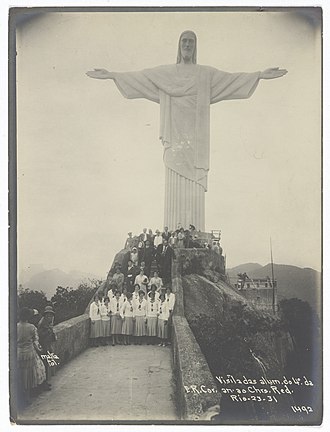
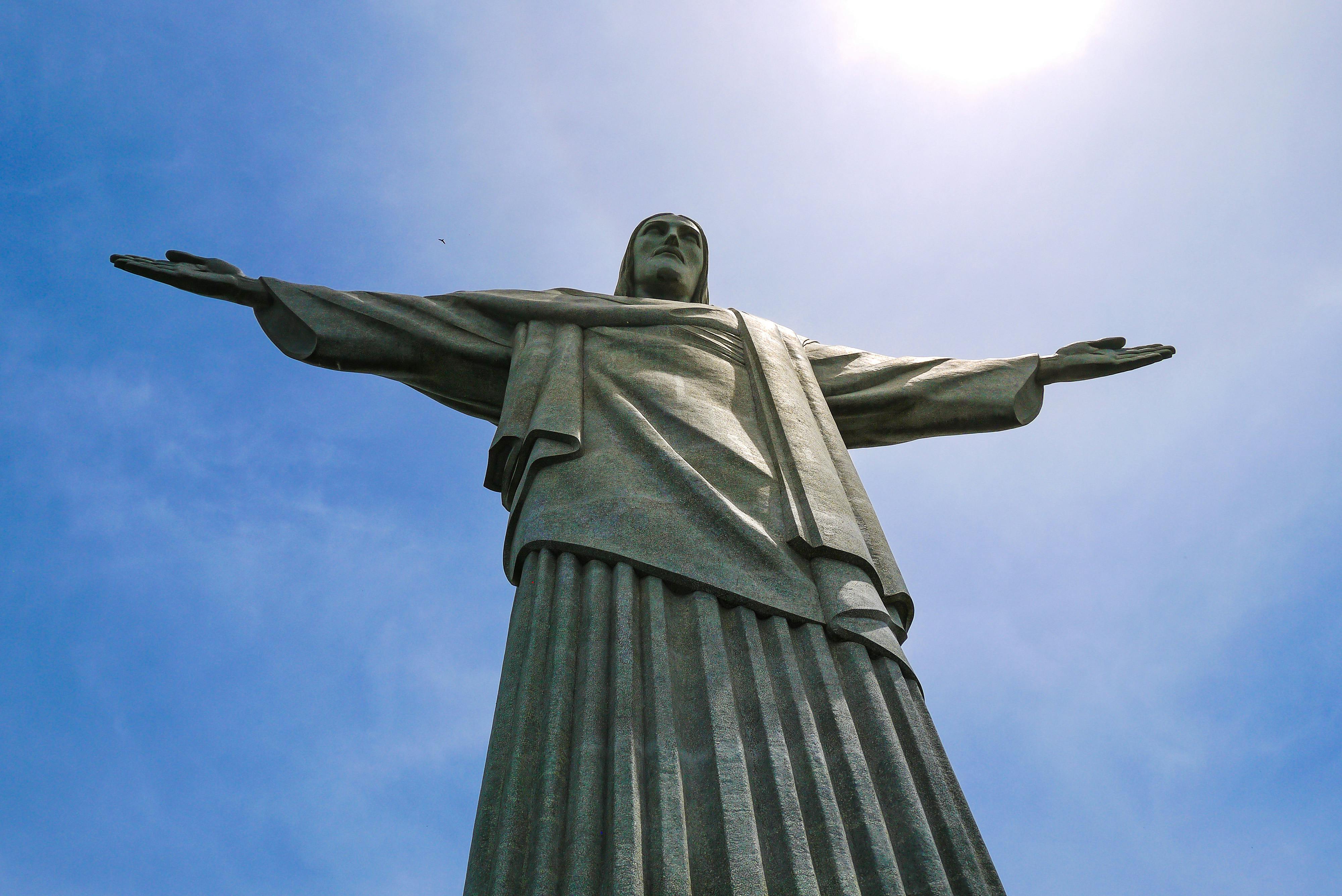
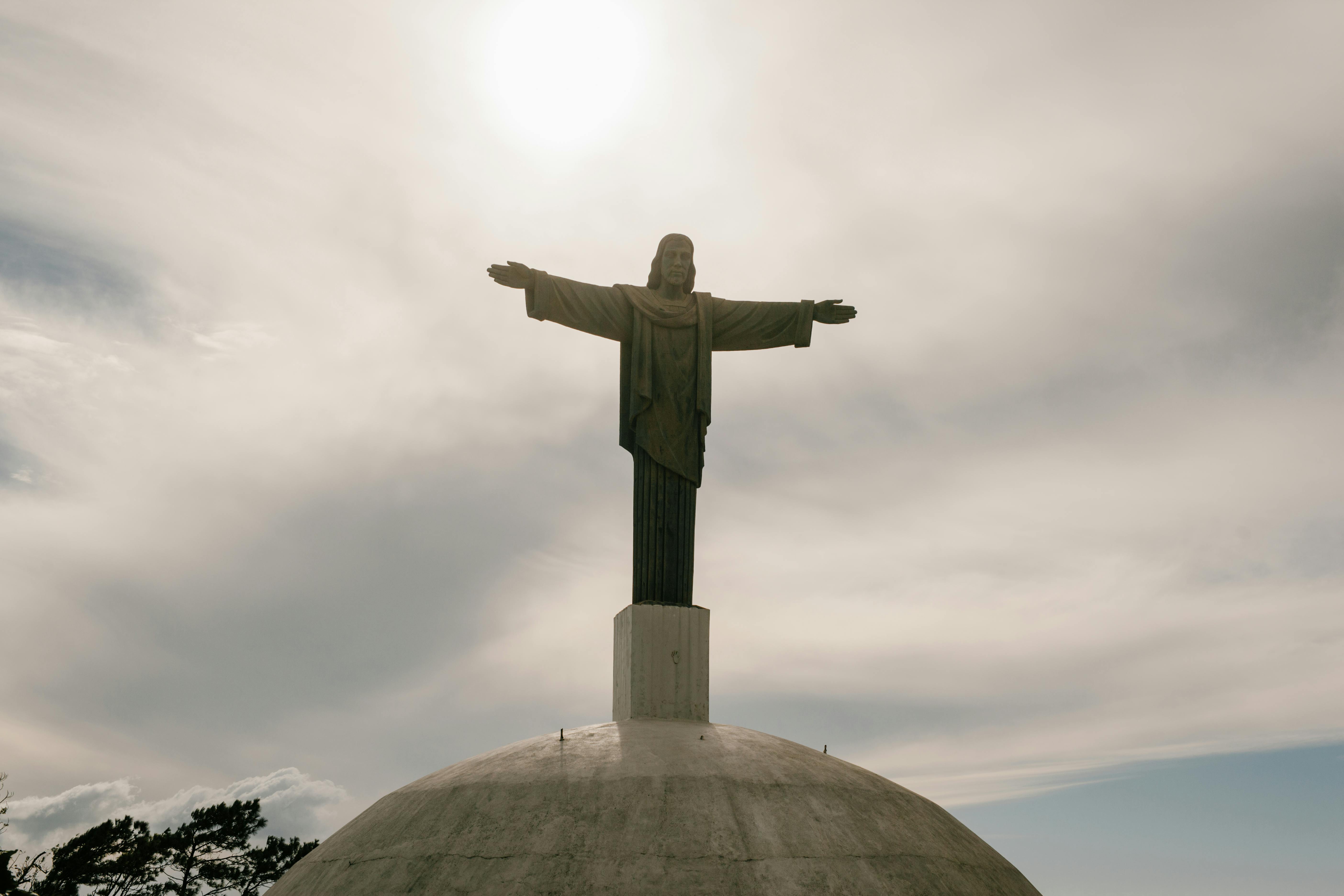
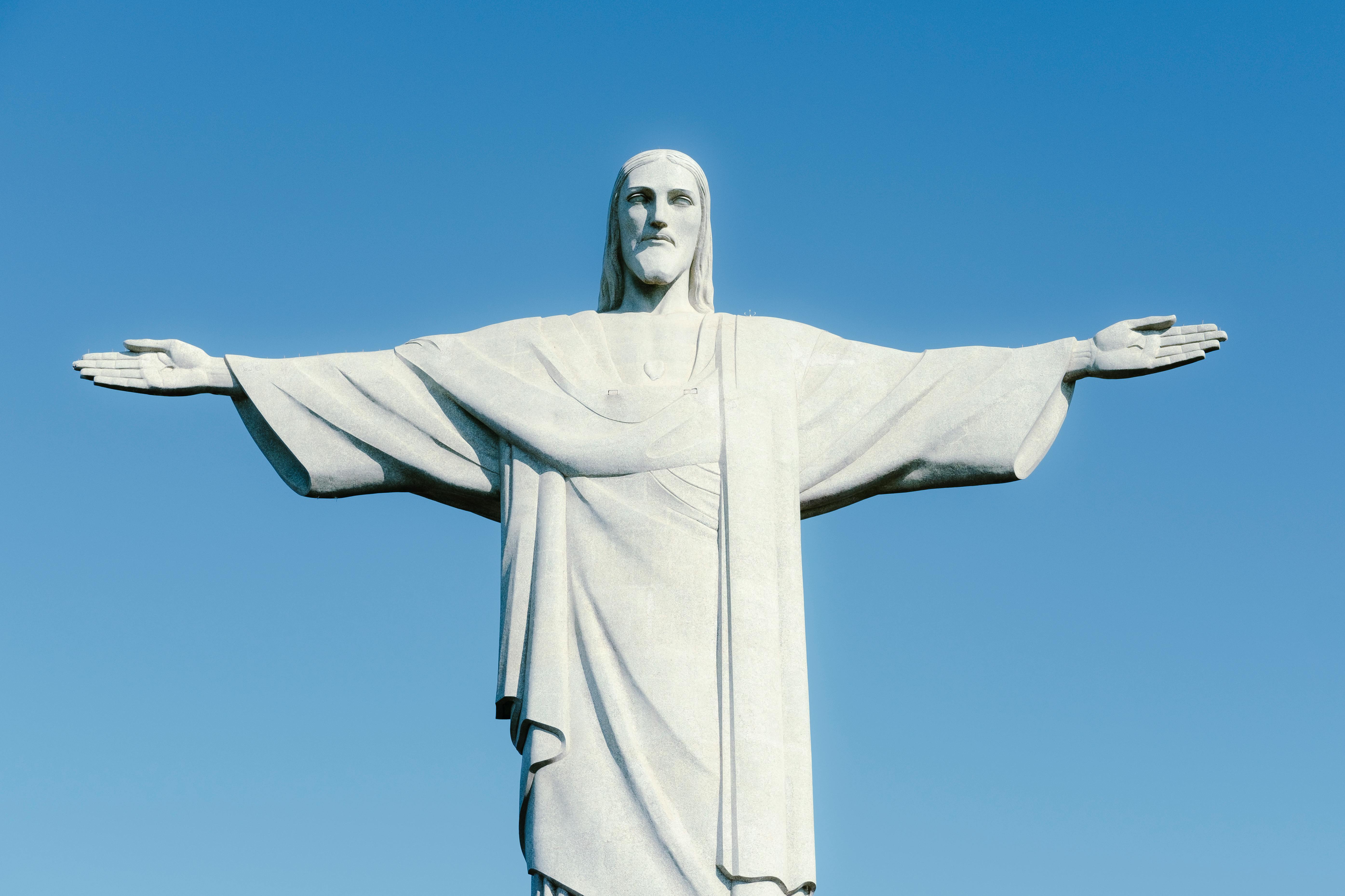
Christ the Redeemer (Portuguese: Cristo Redentor, standard Brazilian Portuguese: [ˈkɾistu ʁedẽˈtoʁ]) is an Art Deco statue of Jesus Christ in Rio de Janeiro, Brazil, created by French-Polish sculptor Paul Landowski and built by Brazilian engineer Heitor da Silva Costa, in collaboration with French engineer Albert Caquot. Romanian sculptor Gheorghe Leonida sculpted the face. Constructed between 1922 and 1931, the statue is 30 metres (98 ft) high, excluding its 8-metre (26 ft) pedestal. The arms stretch 28 metres (92 ft) wide.[1][2] It is made of reinforced concrete and soapstone.[3][4][5] Christ The Redeemer differs considerably from its original design, as the initial plan was a large Christ with a globe in one hand and a cross in the other. Although the project organisers originally accepted the design, it later changed to the statue of today, with the arms spread out wide.
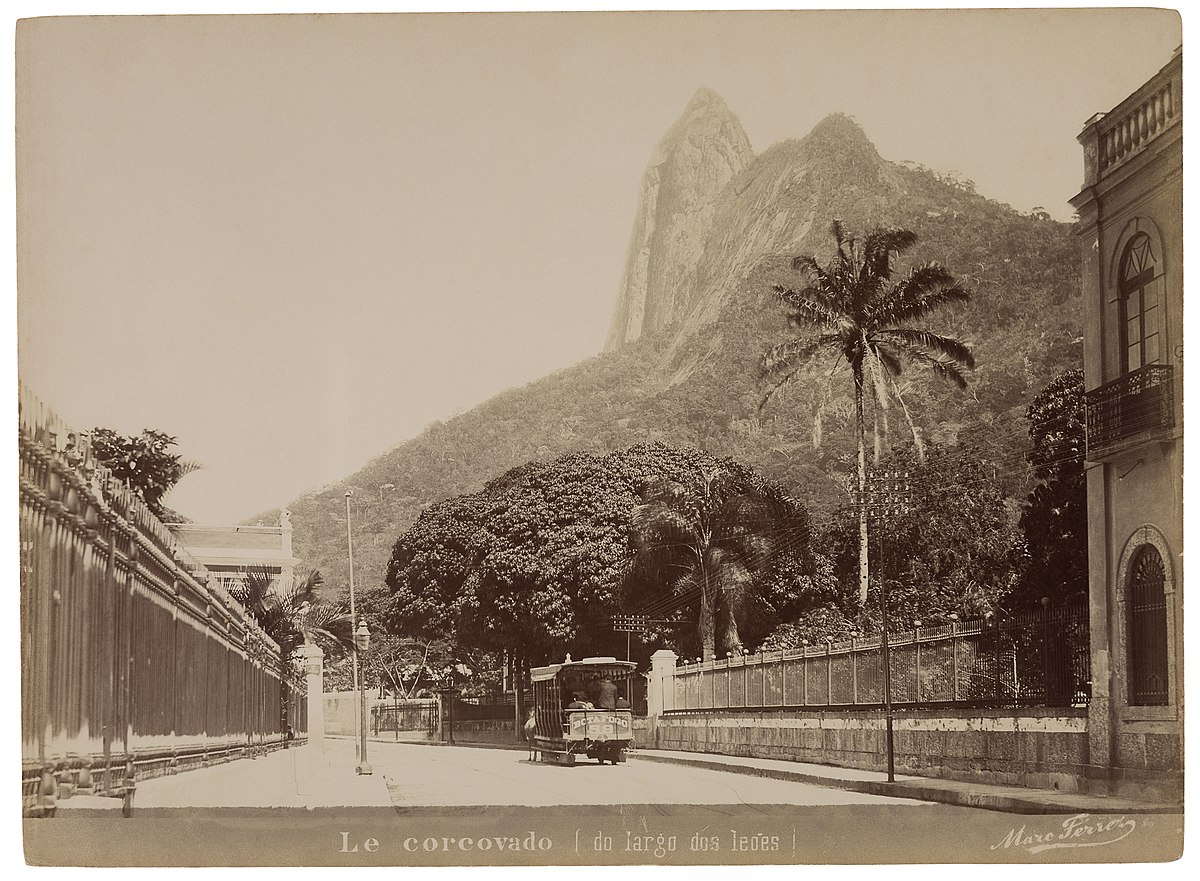
The statue weighs 635 metric tons (625 long, 700 short tons), and is located at the peak of the 700-metre (2,300 ft) Corcovado mountain in the Tijuca National Park overlooking the city of Rio de Janeiro. This statue is the largest Art Deco style sculpture in the world.[6] A symbol of Christianity around the world, the statue has also become a cultural icon of both Rio de Janeiro and Brazil and was voted one of the New 7 Wonders of the World.[7]
In October 2006, on the 75th anniversary of the statue's completion, Cardinal Eusebio Oscar Scheid, Archbishop of Rio, consecrated a chapel, named after Brazil's patron saint—Our Lady of the Apparition—under the statue, allowing Catholics to hold baptisms and weddings there.[5] Lightning struck the statue during a violent thunderstorm on February 10, 2008, causing some damage to the fingers, head and eyebrows. The Rio de Janeiro state government initiated a restoration effort to replace some of the outer soapstone layers and repair the lightning rods on the statue. Lightning damaged it again on January 17, 2014, dislodging a finger on the right hand.
Restoration
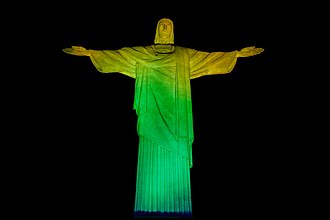
More work on the statue and its environs was conducted in 2003 and early 2010. In 2003, a set of escalators, walkways, and elevators were installed to facilitate access to the platform surrounding the statue. The four-month restoration in 2010[25] focused on the statue itself. The statue's internal structure was renovated and its soapstone mosaic covering was restored by removing a crust of fungi and other microorganisms and repairing small cracks. The lightning rods located in the statue's head and arms were also repaired, and new lighting fixtures were installed at the foot of the statue.
Inspiration
Vincentian priest Pedro Maria Boss first suggested placing a Christian monument on Mount Corcovado in the mid-1850s to honor Princess Isabel, regent of Brazil and the daughter of Emperor Pedro II, but the project was not approved.[1] In 1889, the country became a republic, and owing to the separation of church and state the proposed statue was dismissed.
Architecture and design
Lightning struck the statue during a violent thunderstorm on February 10, 2008, causing some damage to the fingers, head and eyebrows. The Rio de Janeiro state government initiated a restoration effort to replace some of the outer soapstone layers and repair the lightning rods on the statue. Lightning damaged it again on January 17, 2014, dislodging a finger on the right hand. In 2010, a massive restoration of the statue began. Work included cleaning, replacing the mortar and soapstone on the exterior, restoring iron in the internal structure, and waterproofing the monument. Vandals attacked the statue during renovation, spraying paint along the arm. Mayor Eduardo Paes called the act "a crime against the nation". The culprits later apologized and presented themselves to the police.